I would like to discuss the advantages and disadvantages of using AI technologies in the field of cybersecurity. On one hand, AI technologies can greatly enhance the capabilities of cybersecurity professionals in detecting and responding to security incidents. AI algorithms can analyze vast amounts of data in real-time, allowing for more accurate and faster threat detection. AI can also automate repetitive tasks, freeing up security teams to focus on more strategic initiatives. Further, AI technologies such as machine learning, deep learning, and natural language processing can help automate tedious and repetitive tasks, allowing cybersecurity professionals to focus on high-priority activities that require human decision-making and expertise. AI can help detect and respond to cyber threats in real-time, freeing up valuable time for cybersecurity professionals to focus on more complex security issues. AI-powered systems can also analyze vast amounts of data, identify patterns and anomalies, and quickly detect potential security risks, making it easier for cybersecurity professionals to respond to threats before they become major incidents. AI can help improve the accuracy and efficiency of cybersecurity operations. By using machine learning algorithms to identify known security threats and anomalies in data, AI can help reduce false positive alerts, freeing up cybersecurity professionals to focus on high-priority incidents.
However, there are also challenges associated with the use of AI in cybersecurity. One of the biggest challenges is ensuring the accuracy of the algorithms and avoiding false positive or false negative results. This can be difficult because AI relies on data inputs, and if the data is biased, the AI output will also be biased. In addition, AI algorithms can be vulnerable to manipulation, and there have been instances where AI systems have been exploited by attackers to bypass security controls. Some of the primary challenges associated with the use of AI in cybersecurity include:
- Bias in the data: AI algorithms are only as good as the data they are trained on. If the data used to train these algorithms is biased in some way, then the results produced by the AI will also be biased. This can lead to incorrect or misleading results and could potentially compromise the security of an organization.
- False positives and negatives: One of the biggest challenges of using AI in cybersecurity is the issue of false positives and negatives. This refers to the possibility that an AI system might detect a threat that doesn’t actually exist, or fail to detect a real threat. This can be a major challenge, especially in the context of cybersecurity, where false positives can lead to false alarms and wasted time and resources, while false negatives can result in serious security breaches.
- Lack of transparency: Another major challenge associated with the use of AI in cybersecurity is the lack of transparency in the decision-making process. This makes it difficult for cybersecurity professionals to understand how the AI algorithms are making their decisions and to determine whether the results produced by these algorithms are accurate and reliable.
- Integration into existing systems: Finally, another major challenge of using AI in cybersecurity is the integration of these systems into existing infrastructure and processes. This requires a significant investment of time, resources, and expertise, and can be a major barrier to the widespread adoption of AI in the field of cybersecurity.
In conclusion, while AI technologies offer many benefits for cybersecurity professionals, it is important to approach their use with caution and carefully consider both the advantages and challenges. Cybersecurity professionals must be vigilant in monitoring the accuracy and effectiveness of AI algorithms and ensure that they are used in a manner that aligns with the organization’s security goals and objectives.
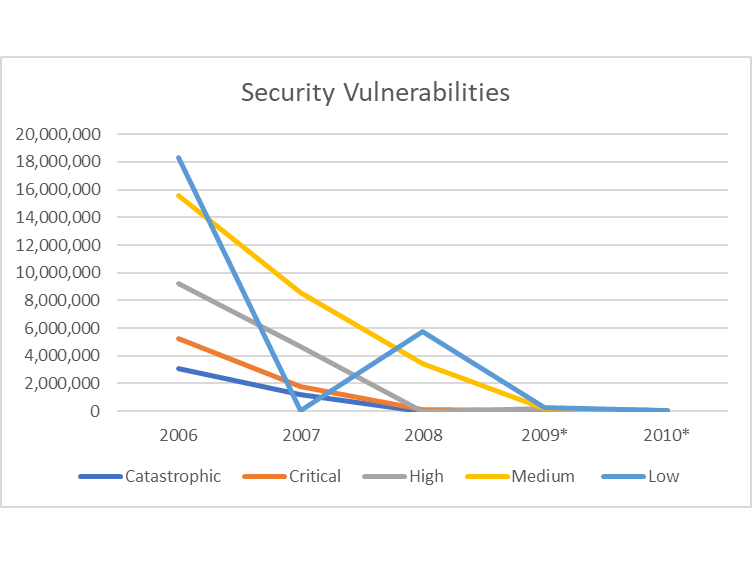

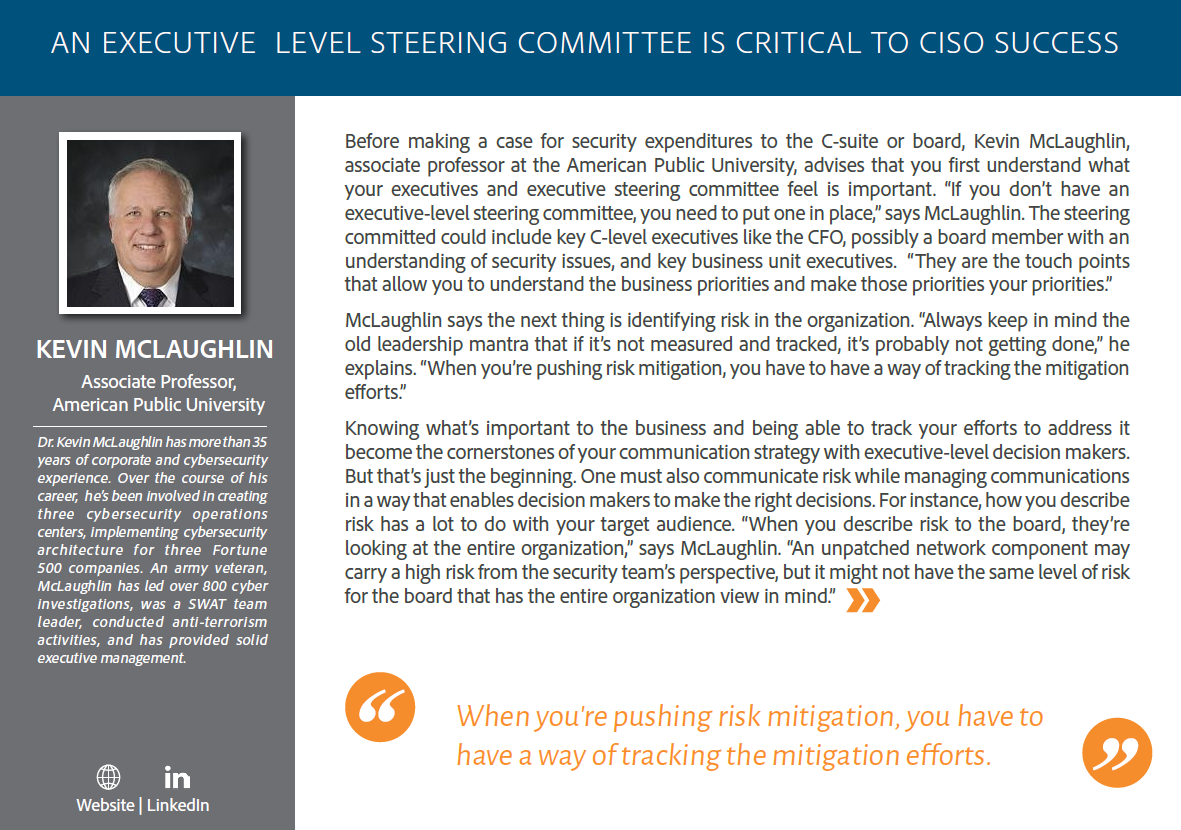
 Successful ransomware attacks are at an all time high, we are losing the cyberwar, cyber criminals are making more money than ever before and it is only going to get worse, a cyber attack could be as damaging as a nuclear war – the headlines abound with comments such as this. Yet, there are still a lot of postings about how information security should not be the office of No. Really? Information security is a security function, as an information security professional are you really going to say – Yes, sure, go ahead and port that un-scanned software code into our production environment? I would hope you are going to say no you cannot port that un-scanned software code into our production environment. No is not a bad word, it is one that the job requires us to say. If you are offended when someone says you are the office of No- don’t be. To be a security professional no is a good response. I train my team members to say “yes, but” in order to soften the perceived impression of the word no ….. (here’s a clue – “yes, but” is still a no – no matter how you spin it).

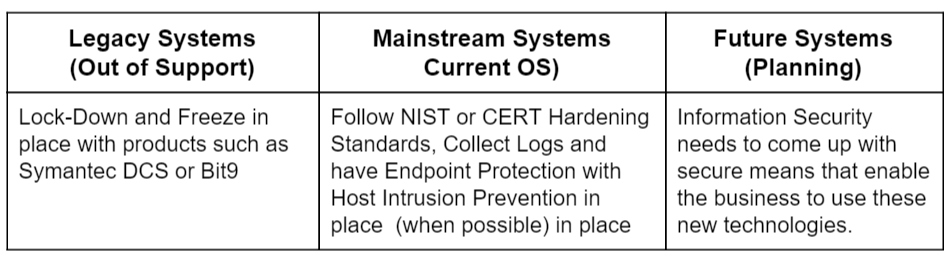 Table 1


 kevinlmclaughlin.com